Joanne
Joanne
We need to focus on hope
There is hope.
Our loved ones can be diagnosed with a mental health condition and live a fulfilling life.
You don’t have to be silenced and live with stigma.
Joanne has learned many valuable lessons during her 45 years as a caretaker for her loved ones with mental health challenges.
To become an effective advocate and caretaker, she needed to become educated regarding various forms of psychosis and learn to navigate the mental health care system to get needed support for family members.
Most importantly, she needed to find a balance between what she can and cannot do to affect the lives of those she strives to help.
The first thing to learn is what mountains can be moved and what mountains cannot be moved.
And once you understand that, you need to get a plan, a team, and an approach in place to make sure that the unmet needs are addressed.
“As caretakers for our loved ones with mental health challenges, becoming educated, removing stigma, and identifying the right approach will lead to much more positive outcomes for all of us.”
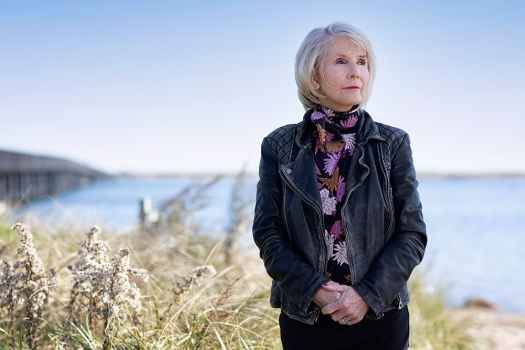
Joanne has a lifetime of caregiving experience. When she was 18, she had to hospitalize her mother—against her mother’s will—because her mother had undiagnosed, untreated bipolar disorder and was in the throes of a manic, violent episode.
Joanne recalls that the experience was traumatic for the entire family because, in those days, no one spoke about mental health, and no one knew that her mother had a mental health condition.
When my mother was taken to a hospital, the team at the hospital immediately gave her a shot and she was asleep for about 48 hours.
No one came to talk to me or my father to say what was wrong. They just sent us home.
This episode was just one of many challenging and traumatic experiences Joanne has faced as a caretaker. Joanne has five siblings.
All of them have mental health diagnoses, including substance use disorder, borderline personality disorder, anxiety, and bipolar disorder.
While living with her twin sister when they were in their early 20s, her sister overdosed during a suicide attempt and was hospitalized.
Their father made Joanne discharge her sister because he thought it would be shameful for the family. Also, Joanne has lost three of her five siblings and has spent years with survivor guilt.
When I went through these experiences as an advocate and caretaker for my loved ones, there was no road map or playbook.
But I’m a natural-born advocate. They were unwell and needed someone to help them make decisions, find resources, and provide unconditional love.
For me, when someone says ‘no,’ that’s my opportunity to go to ‘yes.’

These days for Joanne, going to “yes” centers on her position as director of McLean Hospital’s Peer and Family Support Services.
She leads a team of employees and volunteers in providing non-clinical support and advocacy to patients and their families.
The position builds on her role as the owner of a staffing and consultation firm, her tenure as a board member with the National Alliance on Mental Illness, her volunteer work with McLean’s Patient and Family Advisory Council, and her time as the executive director of a small nonprofit organization called the Cole Resource Center.
My experience has really driven my passion to advocate and provide help to vulnerable people who may not have adequate resources and to families who may not have the ability to support their loved ones.
We must remember that mental health challenges are nothing to be ashamed of. We need to focus on hope.
As caretakers for our loved ones with mental health challenges, becoming educated, removing stigma, and identifying the right approach will lead to much more positive outcomes for all of us.