Al
Al
For first responders, “be strong” can be fatal
It’s the greatest job in the world. That’s how Al says his son Todd, and most firefighters, describe this selfless career. They appreciate the rock-solid camaraderie and pride in knowing they’ll be doing work that others wouldn’t—or couldn’t—touch.
It’s admirable. Like others who have joined this brotherhood, Todd recognized that it would be a physically dangerous and emotionally stressful career—but they all thought that comprehensive training programs would prepare them.
Family members, friends, and people in the community all look up to them but never see or feel what they do.
Eventually, Al says, trauma takes its toll, but the expectation is that these heroes will compartmentalize what they have seen. But upsetting memories commonly come back in horrifying dreams.
They are trained to suppress the trauma, and none of them wants to show vulnerability.
“My hope, my prayer, is that any and all families, friends, and associates have the strength and perseverance to learn all that’s needed to keep troubled friends and loved ones safe.”
Many bypass timely consultation and instead follow the common mandate to ‘suck it up, buttercup.’
The stigma surrounding mental health challenges, perceiving them as weakness, is powerful.
For Todd and many others, alcohol and anger become the preferred treatment as personal relationships and families are built and stressed to the limit.
Fearing the impact on their careers—from the highest ranked to the lowest—Al says these heroes are traditionally told to “rub a little dirt on it.”
After a period of recovery, Todd was able to get his life back in line with a promising new job. Unfortunately, the appointed counselor did not relate well to Todd’s profession or health needs.
She didn’t seem to pick up on the structural stigma of the fire service and was uncertain of what could be done for him.
Nonetheless, he was cleared for the job, which he eventually lost due to his using alcohol to cope with what he had been through. He took his life shortly after.
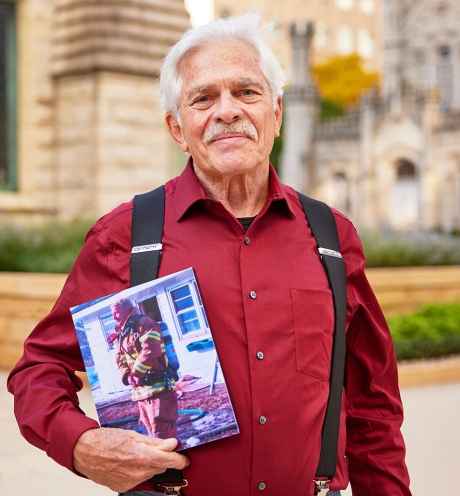
Al has had years of counseling. He still struggles with seeing himself as a bad dad. He is grateful that responder services have become vigilant and active in mental health training in recent years.
My hope, my prayer, is that any and all families, friends, and associates have the strength and perseverance to learn all that’s needed to keep troubled friends and loved ones safe.
It can be awkward, but it’s always essential.