Sima
Sima
I survive every day
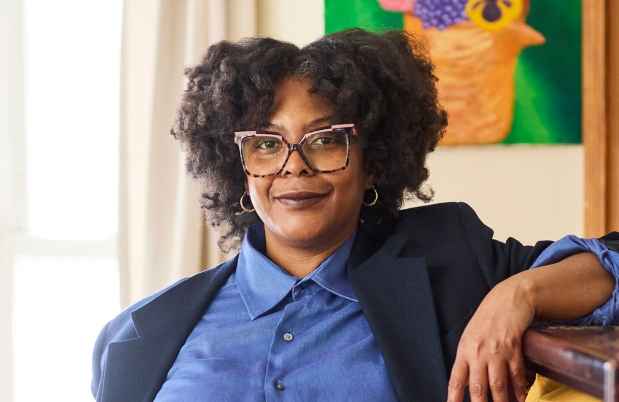
It started 25 years ago, during one of the happiest times of Sima’s life. She had traveled from the East African country Tanzania, where her family resides, to Michigan to work toward her master’s degree in software engineering. During these blissful times, there was one day that she had a spiritual experience—a burst of super-energy.
I started doing things like going out in the bitter cold without proper clothing. I was mentally not well. There is so much vulnerability in saying that because mental health is taboo, but that’s what happened.
Fortunately, my dorm caretakers recognized something was wrong and got me to a doctor.
Sima was diagnosed with bipolar disorder. It was something neither she nor her family knew anything about. Yet her family’s support was absolute. The blessings of her Satguruji, her culture’s spiritual Guide, were also always unconditional and unwavering.
In Tanzania, people are less aware that disorders like this exist. Whenever episodes happened, I would pray harder, so that I would be able to handle them and cope. While I believe spirituality and prayer is important, I now know that medical treatment and psychotherapy are needed.
Once she started psychotherapy, a new light of understanding, acceptance, and care regarding her mental health struggles shone brightly. Sima realized that the episodes had caused confusion between reality and fantasy and seemed to occur whenever death affected her family and friends.
“I’m not really the type of person who opens up to others. So having a psychologist to talk to, as well as treatment by a psychiatrist, helped unburden me. I would not have survived without them.”
She went many years managing her condition, relying on medications, her doctor, and her family to help stabilize her mind and actions during episodes.
While I was educated about the condition, I would always deny I was in an episode. It wasn’t until my psychiatrist confirmed it that I would believe it.
I’m not really the type of person who opens up to others. So having a psychologist to talk to, as well as treatment by a psychiatrist, helped unburden me. I would not have survived without them.
Much later in life, she attended a workshop on mental health. This further enforced the benefit of accepting and embracing her condition. While her episodes made it impossible to work full-time, Sima was able to lead a normal life, getting married and having children.
She spent time writing short stories, poetry, flash fiction, and children’s literature—all of which helped fill the gap left by the career she always craved. Putting words on paper and becoming a published author restored her self-esteem. That’s when COVID-19 hit.
During the pandemic, the bipolar episodes increased. I lost concentration and couldn’t read even a few lines from a book. It would take months to recover from each episode.
My diagnosis became more specific—bipolar with rapid cycling. Psychotherapy has really gotten me through.
Sima considers her disorder just one part of her life—a condition that must be managed. Yoga and breathing exercises have helped. She believes it’s important to remove the shame and fear around these disorders.
She writes stories about mental health and connects with authors and people with similar stories on and offline. Sima advocates that mental health conditions are healable.
When I found others with mental health conditions to talk to, I felt a big relief. I told them that if I can lead a normal life, they can, too.