Samina
Samina
I’ve learned that I am capable of doing great things
Samina was a college senior in her early 20s, studying psychology in her native United Kingdom, when she started experiencing psychotic episodes.
At first, she thought she was having a stroke. But then shadowy figures would appear at the corner of her eye. She would also hear voices and smell gas in her building. At one point, she saw that crickets were covering her face—a visual hallucination.
I was sectioned under the mental health act [in the U.K.], which means I was detained in the hospital for one month without my agreement.
My psychotic episodes had gotten so bad that I had lost the capacity to make my own decisions. I did not believe I was unwell.
I assumed my food was being poisoned, so I wouldn’t eat. I thought I was in a game show and other patients were contestants. The newspapers were speaking to me.
When asked what date it was by a doctor, I answered summer of the next year, even though it was winter. My whole world had collapsed.
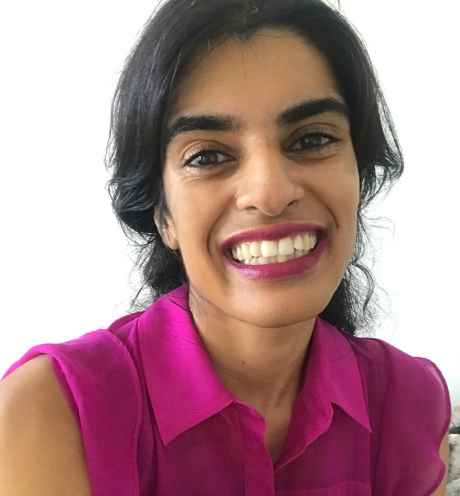
When the hallucinations stopped, mania kicked in—a cycle of mental health issues that Samina calls “chaotic.” Her personality changed and she frequently could not recall what happened during the episodes.
I remember going out at 3am to the park and just lying there for an hour. I felt ecstatic, my eyes glittered, and I thought I was invincible.
I’d go to strange parties and stay out very late. At one point, I just took off—without telling my boyfriend or family. I was a missing person for four months.
By the time she turned 26, Samina was diagnosed with schizoaffective disorder. She had been given medication to help, but at first, she didn’t think she needed it. In fact, she thought what was happening was just part of her personality. Since then, she has thankfully embraced treatment and now finds herself in a good place.
I’m so deeply thankful that something has worked for me. I can now move forward.
Samina’s family has been by her side throughout her journey. But she doesn’t disclose her diagnosis to others. She did so once, and she says the person believed it wasn’t real and thought it was likely a western concept.
Having a psychotic disorder is so isolating. It causes people to turn away. I’ve been lonely in the past, given my diagnosis.
Seeing those who are willing to talk about it has made me less lonely—it has shown me I can lead a normal life.
Today, Samina enjoys socializing and is looking forward to getting her master’s degree in neuroscience. She often spends time painting in watercolor and journaling.
This condition is destructive if you don’t get treatment. I’ve realized just how strong I am because I’ve bounced back each time after relapse.
I’ve learned that I am capable of doing great things.