Sage
Sage
I am a person with diagnoses, not the diagnoses themselves
Sage began experiencing severe anxiety in early childhood. As they grew older, their mental health challenges deepened, and they developed anorexia and depression and began engaging in self-harm.
Years of struggling in silence eventually culminated in a suicide attempt during college that led to hospitalization.
Although the experience was deeply distressing, it also marked a turning point. After years of hiding their pain, Sage finally began receiving the help they needed.
Growing up in my family, if you needed help for your mental health, it was considered a weakness.
I didn’t seek treatment until after my suicide attempt because I was afraid of judgment.
Throughout their mental health journey, Sage experienced discrimination associated with their identity and diagnoses, especially after receiving a diagnosis of borderline personality disorder following grad school. They describe their experience with BPD as being especially difficult.
BPD is such an emotionally painful disorder because those of us who have it experience deep pain differently. Anger can feel like rage. Sadness can feel like deep grief.
I like focusing on helping others understand the emotional pain that goes with this disorder.
Severe anxiety and rapidly changing emotions can impact Sage’s relationships and create turmoil. Some days, Sage needs to take leave from work because their mood is too low, their body is too tired, or they struggle with memory and communication.
For Sage, compounding the pain of mental health conditions is the stigma that accompanies the diagnoses. They’re afraid to tell family and friends about their mental health challenges because of labels others have given them.
Because of my mental health disorders, I’ve been told I’m unreliable and can’t handle as much as others.
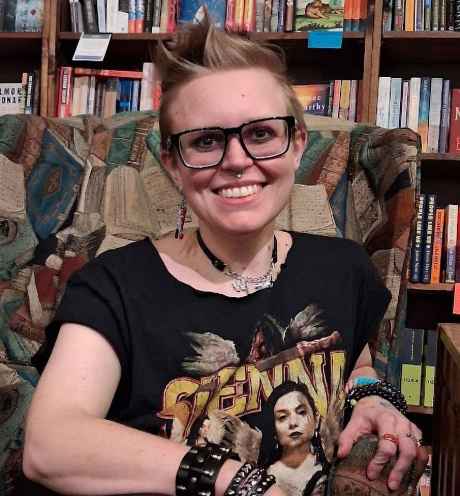
Stigma even comes from Sage’s colleagues: other mental health professionals.
Even in my professional life as a social worker, I have to be wary of who I tell that I have BPD.
A lot of the time we’re equated to sociopaths and psychopaths. I’ve lost professional opportunities.
I heard from other clinicians that they wouldn’t work with people who have BPD.
Moving into my professional life, not a lot of clinicians know the truth behind the disorder.
Sage finds it meaningful to educate others and strive for an inclusive health care system. Throughout Sage’s experience in treatment and recovery, they received the most compassionate care from mental health professionals with lived experience.
My experience with BPD specifically might help a lot of people who feel misunderstood or not seen with the illness, especially since I have the professional and personal sides.
Sage also advocates for intersectional and destigmatizing approaches to treatment. They have made strides to make health care more accessible to all people by founding an LGBTQ+ holistic mental health space that emphasizes perspective and provides safe resources.
Sage’s organization acknowledges the stigma and discrimination faced by members of the LGBTQ+ community based on their identity.
Sage and their peers understand that health concerns are compounded by hatred and discrimination, and that healing can only happen when people are accepted, understood, and treated with compassion.
In addition to providing treatment, Sage and their peers give education and training to professionals with the aim of creating an open, affirming mental health care system.
Acknowledging people as WHOLE people, being person-centered without sticking to labels, and accommodating the needs of different people in treatment is vital.
Stigma prevents people from receiving compassionate care, which can worsen their conditions.
This often makes things even more challenging for members of the LGBTQ+ community.
More than anything, Sage doesn’t want others to feel alone as they once did.
I want people to know that I get how hard it is living with these conditions and how it can be so scary to ask for help or stand up for yourself.
There are so many of us that struggle with different disorders. And even though it feels like it, a lot of the time we’re not alone.