Marquez
Marquez
I wanted to be the best I could be for myself and others
Marquez was in his junior year of high school when he first realized something wasn’t right.
I started hearing things that I didn’t normally hear, things that I wasn’t familiar with. I started seeing things that weren’t there too.
He didn’t immediately reach out for help, and as time went on, he struggled to manage how he was feeling.
It felt like I was in a tornado. Dealing with all the noise in my head and the uproar of emotions and not knowing what to do with it at the time was so new to me.
It was overwhelming and frustrating.
He realized he needed to tell someone and confided in his parents. They didn’t understand what was happening to Marquez, but they were accepting and supportive.
Together, he and his parents sought out a therapist, but things were not easy.
My first therapist told me that it was a normal part of being a teenager, and that I would get over it. It was just a part of growing up.
This was frustrating and resulted in Marquez shutting down.
I thought, what if I talked to someone else, and they gave me the same response? So, I kept what I was feeling to myself.
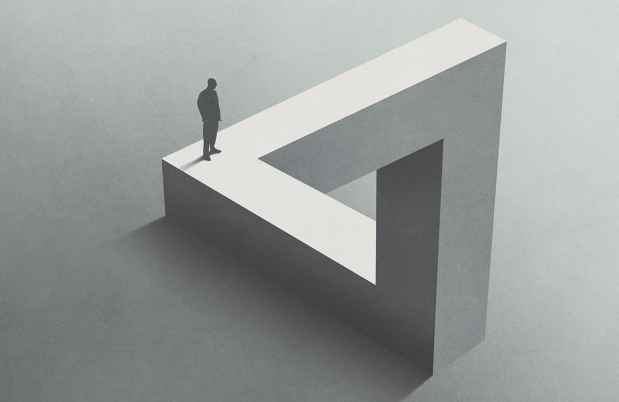
“I’ve had many detours, but I think it’s a matter of perspective. I work as a city mechanic with traffic signs and city lights, and it’s just like detour signs on roadways.
You have to take a different route, but you still reach the same destination.”
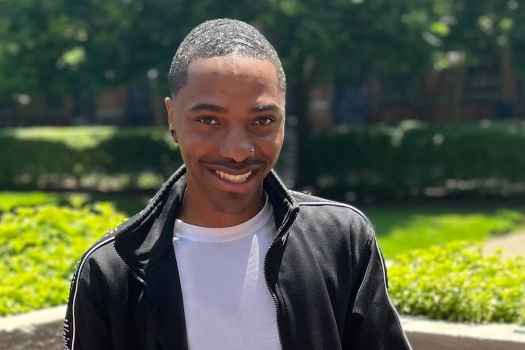
In 2017, Marquez was diagnosed with schizophrenia. One of the symptoms he experienced was hallucinations: seeing and hearing things that others did not. The same therapist then encouraged him to apply for disability services.
They told me I didn’t have to work again. They didn’t give me the option to grow with the diagnosis. It was like there was no room for growth or change.
A lot of people already think that people with schizophrenia are dangerous or scary. If someone knows we have schizophrenia, we get looked at a little differently.
We are not scary or dangerous. In fact, we’re caring, compassionate, loving people, too.
I felt like the system was broken and just wanted to handicap people like me who are dealing with mental health conditions. No doctor was on our side.
Marquez resolved to deal with it on his own. Accepting his mental health condition had been difficult enough, and by this time, he’d missed a lot of school.
For a while, he felt that he could manage it alone, but he soon felt overwhelmed again. He began to believe that he couldn’t do things on his own, even daily activities.
I hoped that maybe there was someone who could understand me from a human standpoint.
My mom and stepdad were supportive and willing to grow with me, but it was like they still didn’t know a part of me.
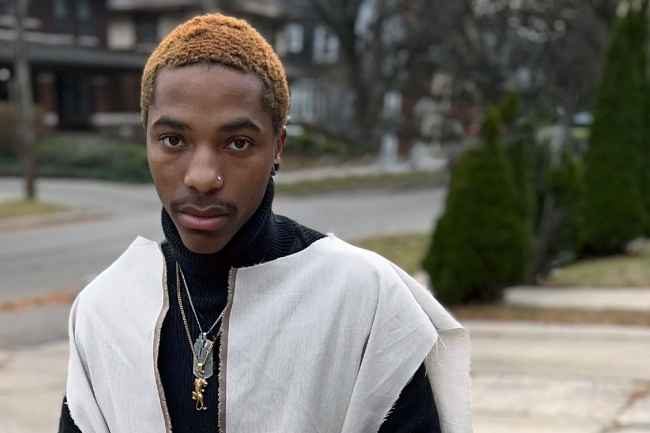
Marquez decided to seek help once more, determined to take control over his mental health and find a mental health care professional who would support him.
What really changed for me was that I wanted to be the best I could be for myself and others.
He found a new psychiatrist in 2020, who provided him with a new diagnosis—schizoaffective disorder, bipolar type.
It explained the hallucinations that Marquez experienced, as well as the instances where he struggled with his regular life and overwhelming emotions.
Since then, Marquez’s quality of life has improved phenomenally. He has built a self-care plan with his psychiatrist and takes prescribed medication to manage his symptoms.
He’s discovered outlets for self-expression in art, writing, and music—things that he hadn’t been able to do before.
Above all, Marquez realized his passion to encourage and support others in their mental health journeys and developed a lifestyle brand to help those who battle mental health issues.
I’ve had many detours, but I think it’s a matter of perspective. I work as a city mechanic with traffic signs and city lights, and it’s just like detour signs on roadways.
You have to take a different route, but you still reach the same destination.
Living with mental health struggles is a challenge, but it’s a challenge that I learned I could overcome.
I won’t stop, no matter how hard it gets.