Madison
Madison
Our disorder is complicated and messy
Decision-making for Madison doesn’t come easy.
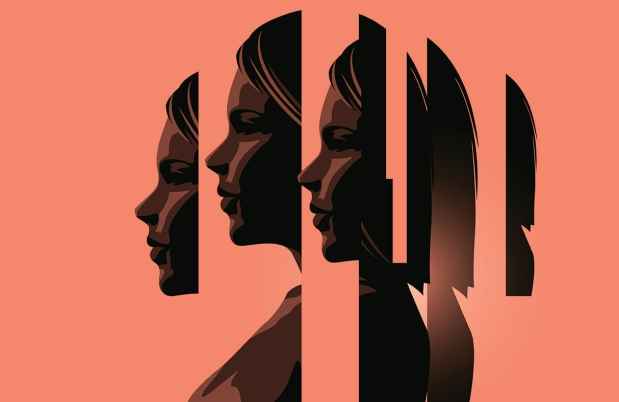
Since early childhood, Madison has felt as if there are multiple entities living, sometimes harmoniously and sometimes chaotically, inside her mind—as many as 30 or more.
They are humans, animals, or curious beings. These presences occur, reoccur, or sometimes change forms.
Our dissociative identity disorder was often a way of hiding and protecting. My mind was going to protect itself.
We knew there were multiples of us. But because of the nature of disassociation and denial, it was easy to sometimes think that maybe I made all this up and there are no other selves in here.
As a child and then teenager, Madison had been diagnosed with autism, as well as depression and substance misuse. She (pronouns: they or she) would sometimes have angry outbursts.
She was unable to read social cues, and at times, she was bullied by classmates.
“It’s nice to know that we are not crazy—it’s validating.”
Madison also says her highly religious family, although now accepting, was controlling and could be emotionally abusive. All this made her fragile.
Madison notes that as a child actor growing up, there was pressure to perform—not just on stage, but publicly in a way that made the family look good—to act the way you would in church all the time.
Punk rock finally gave us permission to question authority and assert our individuality. Some people wrote this off as teenage rebellion.
I started playing shadow-cast parts in musicals like ‘The Rocky Horror Picture Show.’
Madison is smart, articulate, and very well-researched, yet still admits she doesn’t understand her own disorder well.
For three decades, she couldn’t explain the voices in her head or the times when she didn’t seem to be in control.
After researching her dissociative symptoms and speaking with a community of others who also have multiple selves, she sought the advice of a professional who confirmed a diagnosis of DID. She was 37.
What we heard was extremely relatable. It’s nice to know that we are not crazy—it’s validating.
For Madison, part of the challenge is that not everyone in the system is the same gender. Sexuality requires the entities to compromise.
When we discovered our queerness at age 25, I started to transition, but that got put on hold.
I had become addicted to drugs and alcohol and was in an unstable living situation.
Most trans people have a clear idea of what sex they are. But I don’t.
I’m glad that non-binary is a topic that gets talked about now.
Madison is now working full-time, supporting a team of people in a critical industry. She is married to another trans woman, and together, they’ve built a home they love.
She does have problems with memories getting lost in her busy mind. She’s also learned that they need structure to be successful.
A year or two ago, we really struggled. We regularly self-harmed and had suicidal impulses. But we are on the road to happiness.