Kody
Kody
I aim to be the voice I needed when I was first diagnosed
Kody’s mom began experiencing symptoms of schizoaffective disorder when she was in her early twenties. By the time she was diagnosed and started receiving treatment, she was in her early thirties, and Kody was finishing high school. The situation was a lot for a young person to take on.
We didn‘t have a lot of close family after my mom‘s diagnosis. People really separated themselves from us.
So it was just me, my mom, and my two younger siblings for a long time, and we just had to figure out how to navigate her diagnosis together.
Despite Kody’s close familiarity with severe mental illness, he didn’t consider that he might one day develop a psychosis spectrum disorder himself.
I never properly dealt with the realization it could be something I would eventually have to deal with—it was something I was too afraid to confront.
Growing up in a small rural community where we didn’t talk about mental health, we were shown that you could just avoid things until they became something that you could no longer ignore.
By the time Kody did start experiencing symptoms, he was in his second semester of college and was too unwell to recognize how ill he was. He isolated himself and experienced intense episodes of paranoia, hallucinations, and delusions.
He remained undiagnosed for the next few years and struggled on and off with addiction and incarceration. It wasn’t until the last time he was in jail at age 21 that he finally received an official diagnosis of schizophrenia that led him into treatment.
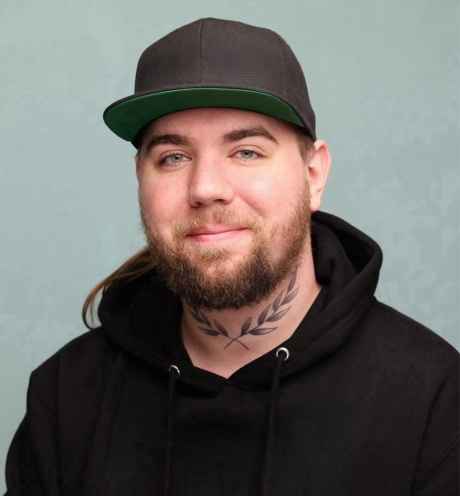
At first, Kody resisted the medication prescribed to him. He remembered all the pills his mom took to manage her condition and the prospect of doing the same frightened him.
I took care of my mom. I unfortunately knew what happens when a person with severe mental illness doesn‘t take the meds they need.
When untreated, psychosis spectrum disorders can cause irreversible cognitive damage. Because of her years-long lapse between initial symptoms and diagnosis, Kody’s mom struggled with these serious issues.
Kody knew he needed to stay on track with his own treatment.
He soon realized that medication not only helped his brain recover, it allowed him to engage in an entire range of care that included talk therapy, group therapy, and the trauma treatment, EMDR.
EMDR is a type of therapy that helps people process traumatic memories using techniques such as side-to-side eye movements or alternating hand taps.
Kody no longer self-medicated with substances or experienced life-disrupting psychotic breaks. He was able to live independently and build a career.
These days, Kody is a public speaker, social media content creator, and author who works to dispel the myths and stigma that surround schizophrenia. One of the biggest misconceptions, he says, is that people with the condition are incapable of living full lives.
I was told early on that I would never be able to work, or drive, or do things that most people would consider normal everyday life.
I definitely believed my life was over after my diagnosis, and it wasn‘t until I found peer support groups, and I got to see people with my diagnosis working, going to school, and having families that I was finally able to realize that I might be able to to still live a somewhat normal life.
Kody firmly believes that sharing stories helps other people in their journeys. He wants people with schizophrenia to know there are others who can relate to what they’re going through.
It’s a really scary diagnosis, and I don‘t want people to have this mindset that their life is over like I did.
When I became an advocate, my main goal was to be the voice I needed when I was first diagnosed and to show people there is hope.