Eitan
Eitan
You have to believe in change
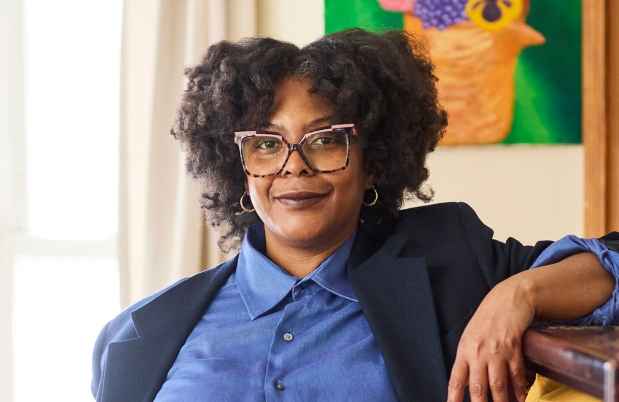
Eitan, a divorced father of a teenage girl, is a rehabilitation instructor at an organization that works with people who have mental health issues. In addition to his work, he loves music and cooking. At the same time, Eitan is also coping with bipolar disorder.
Eitan grew up in an orphanage until he was adopted at the age of five. When he was 21, Eitan’s adoptive mother died of cancer.
That event triggered my first manic episode, which was followed by my first hospitalization. I lost a lot of weight, I didn’t function socially, I left work. Everything changed.
According to Eitan, the stigma he has experienced because of his mental health condition surprisingly came from members of the medical community.
I think stigma isn’t always due to lack of awareness. Sometimes it happens when there is awareness, but the person doesn’t know how to treat you.
For more than 13 years, Eitan has contributed to raising awareness about mental health and stigma reduction, by telling his personal story to students and professionals as part of Enosh (Israel Mental Health Association)’s Dialogue program.
“I think stigma isn’t always due to lack of awareness. Sometimes it happens when there is awareness, but the person doesn’t know how to treat you.”

Eitan sees it as his mission to share his message as part of the organization’s goal to try to make people look at mental health differently.
If you believe in yourself and you’re looking to change, then you’ll find ways to take steps and get better.
But if you think about your mental health along the lines of ‘Well, this is what I’ve got and that’s how I’m going to be for the rest of my life,’ then that’s actually how you’re going to remain for the rest of your life.
Eitan owns a clinic in the field of complementary medicine, offering massage and reflexology. In the field of mental health, he is an advocate of making choices that result in positive lifestyle changes.
You have to believe in change. With tools such as complementary medicine, nutrition, and sports, people can become better connected with themselves and create significant improvements in their mental coping abilities.
Eitan asks us all to end the stigma towards those with mental health conditions, to look at them from an open-minded perspective, and to be attentive to them.
Eitan’s story is also available in Hebrew