The Silent Battle: Men’s Body Image, Masculinity, and Mental Health
Explore how cultural expectations, body image, and stigma shape men’s mental health—and learn how we can foster greater understanding, body acceptance, and support
Available with English captions and subtitles in Spanish.
Body image is rarely just about the body. It can shape—and be shaped by—identity, belonging, and the pressure to become who we think we’re supposed to be.
When conversations about body image make the news, they often focus on girls and women. While those discussions are essential, they can unintentionally reinforce the idea that body image concerns are uncommon among boys and men.
But the reality is far different.
Many boys and men quietly struggle with body dissatisfaction, eating disorders, body dysmorphic disorder (BDD), and the pressure to meet unrealistic expectations about strength, appearance, and masculinity. These concerns often go unnoticed because they don’t fit common assumptions about what body image struggles look like.
Understanding men’s body image means looking beyond appearance to consider identity, belonging, self-worth, and lifelong expectations. A broader perspective can help us recognize these struggles, reduce stigma, and create healthier conversations.
Why This Training Matters
Body image concerns among boys and men are more common than many people realize, yet they remain one of the least understood aspects of mental health. For decades, public conversations have focused primarily on women’s experiences, leaving many boys and men feeling invisible or believing their struggles don’t fit common ideas about body image.
Those misconceptions have real consequences. Body dissatisfaction can affect confidence, relationships, emotional well-being, and quality of life, and is associated with eating disorders, body dysmorphic disorder (BDD), anxiety, depression, and the use of performance-enhancing substances.
Because these struggles often present differently in boys and men, they may go unrecognized by individuals, families, educators, coaches, and health care professionals.
This training explores the relationship between body image, masculinity, identity, and mental health through an evidence-informed, compassionate lens. Rather than reinforcing stereotypes, it examines how cultural expectations influence self-perception and how greater awareness can lead to earlier recognition, healthier conversations, and more effective support.
Whether you’re supporting others or simply looking to deepen your understanding, this on-demand training offers practical insights that can change the way you think about body image and men’s mental health.
Who This Training Is Designed For
This training is designed for anyone who wants to better understand how body image affects boys’ and men’s mental health.
It is especially valuable for mental health professionals, health care providers, educators, parents, coaches, and others who support boys and men throughout different stages of life. Because body image concerns often remain hidden, greater awareness can help people recognize challenges that might otherwise go unnoticed.
Whether your goal is to strengthen your professional knowledge, better support someone in your life, or challenge your own assumptions about body image, this training offers practical, compassionate insights grounded in both research and clinical experience.
Looking for a certificate of completion? Get one for watching this session!
What You’ll Learn
After watching this training, you’ll better understand how body image influences men’s mental health and why these concerns deserve greater attention.
You’ll explore how to:
- Recognize body image concerns in boys and men and why they often go unnoticed or present differently than expected
- Understand the connection between masculinity, identity, and self-worth and how cultural expectations shape how boys and men view their bodies and themselves
- Identify mental health concerns linked to body image, including eating disorders, body dysmorphic disorder (BDD), anxiety, depression, and performance-enhancing substance use
- Challenge misconceptions and reduce stigma to support earlier recognition and more compassionate responses to body image concerns in boys and men
- Support healthier conversations about body image and mental health and create environments where boys and men feel more comfortable discussing concerns and seeking help
Learning Objectives
After watching this training, learners will be able to:
- Describe how cultural expectations surrounding masculinity influence body image and mental health among boys and men
- Recognize common signs associated with body dissatisfaction, eating disorders, body dysmorphic disorder (BDD), and related concerns
- Explain the relationship between body image, identity, self-worth, and psychological well-being
- Identify opportunities to reduce stigma and encourage healthier conversations about body image and men’s mental health
- Apply evidence-informed strategies for recognizing and responding to body image concerns in clinical, educational, community, or personal settings
Topics Covered During This Training
- This is a topic that is rarely discussed. Can you tell us how you became a specialist in this area?
- How prevalent are body image issues in those who identify as men, and why aren’t we talking about them?
- When we talk about these issues, does this include eating disorders, body dysmorphic disorder, or both? Are there other conditions that we should be addressing?
- Can we talk about the harmfulness of steroids and PED (performance-enhancing drug) usage, including the jokes that perpetuate the conversations?
- What can you tell us about the use of selective androgen receptor modulators (SARMs)?
- Is there any research on the prevalence of body image issues in homosexual and heterosexual men?
- We are all familiar with media imagery that historically has dictated a thin body as the ideal body for women, but what media imagery is promoted to boys and men about their bodies?
- Do you think there are body image challenges for men over 40?
- How can we encourage more body acceptance in male populations?
- What suggestions do you have to help address these issues with college males? What kind of programming tends to be most successful, in your experience?
About the Expert
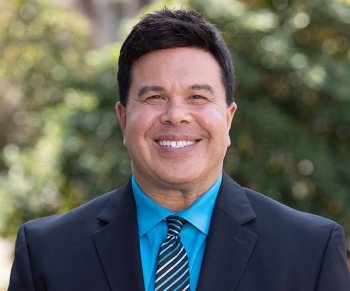
Roberto Olivardia, PhD, conducts diagnostic evaluations at The Pavilion at McLean Hospital and maintains a private practice in Massachusetts, specializing in ADHD, body dysmorphic disorder (BDD), obsessive compulsive disorder (OCD), and learning disabilities. He is a nationally recognized expert in eating disorders and body image issues in boys and men.
3 Key Takeaways From This Training
More Than Appearance
Body image is tied to identity, belonging, and self-worth, and many boys and men struggle with their body image without saying so.
Redefine Expectations
Ideas about masculinity, strength, and success shape how boys and men see themselves and whether they seek help.
Recognition Is Key
Looking past stereotypes reduces stigma, opens conversations, and connects boys and men with support sooner.
Recommended Audience
This training is especially valuable for:
- Mental health professionals, including psychologists, psychiatrists, social workers, counselors, therapists, and psychiatric nurses
- Health care professionals across clinical and community settings
- Education and school professionals
- College and university faculty, staff, and student support professionals
- Coaches, athletic trainers, and sports medicine professionals
- Parents, caregivers, and family members
Resources Discussed in This Session
You may find this additional information helpful:
- The Broken Mirror – book by Katharine A. Phillips, MD
- The Adonis Complex – book by Harrison G. Pope Jr., MD, Roberto Olivardia, PhD, and Katherine A. Phillips, MD
- Feeling Good About the Way You Look – book by Sabine Wilhelm, PhD
Event Details
- Availability: Free to watch
- Format: On-demand virtual training
- Length: 60 minutes
- Presenter: Roberto Olivardia, PhD
- Date Recorded: December 15, 2021
- Certificate of Completion: Available (No CME Credits)
Note
The information discussed is intended to be educational and should not be used as a substitute for guidance provided by your health care provider. Please consult with your treatment team before making any changes to your care plan.
Before You Go!