Lindsay
Lindsay
Education, empathy, and understanding are essential
Without education, people have a vision of what mental health is that is not accurate. It’s a stereotype.
So, education about mental health conditions is very important because education can lead to empathy.
Education has been central to Lindsay’s recovery from mental health disorders.
At a young age, Lindsay knew she was depressed—she often had trouble getting out of bed or going to work. She was also a binge drinker and engaged in impulsive behavior.
Her experiences with mania, however, were more difficult to understand. When she reached out for help, her treatment team taught her more about bipolar disorder.
She began to understand what was behind the rage and irritability she had been experiencing for so long. A light bulb went off in her head, and she started getting the right treatment.
It was a journey to get a diagnosis. I would go to doctors, get medication for depression and anxiety, and that was it. It was just a fix. There was no recovery plan. It went on like that for a long time.
But I had a mental break in my 30s, and I had to take a few months off from work. At this point, my primary care physician referred me to a recovery group. I was also referred to a therapist.
I finally got the right diagnosis—bipolar disorder.
“Therapy, my support system, and medication changed my life. I realized I didn’t have to live the way that I’d been living.”
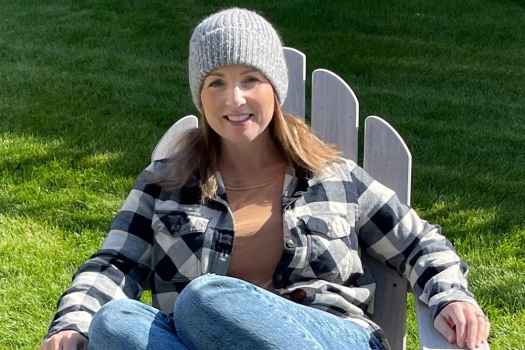
Armed with the proper diagnosis of bipolar II disorder and substance use disorder, Lindsay started getting the right therapies and medications. She worked with a specialist on dual diagnoses. This is when her recovery truly began.
I got insight, and I started to understand things more. Therapy, my support system, and medication changed my life. I realized I didn’t have to live the way that I’d been living.
These days, Lindsay has her conditions under control. She loves spending time with family and friends, does a lot of yoga, and takes part in fundraising activities.
She is also passionate about educating others about mental health.
I became involved with NAMI (National Alliance on Mental Illness). I’ve learned that telling my story, which I kept private for a long time, can really help others.
Through her local NAMI chapter, Lindsay recently started volunteering for the NAMI Family-to-Family program as a class leader.
I’m in a space where I’m helping family members who are supporting loved ones with mental health conditions.
I have a unique perspective because I not only have mental health challenges in my family, I’ve also been through the whole journey myself.
Lindsay has found that educating herself and others has been important in accepting her mental health and relating to others with similar experiences.
How to speak to your loved one can be very difficult, because you’re often dealing with people who might be in denial about their mental status.
It’s important to treat your loved one as an individual, as opposed to someone with a diagnosis.
Empathy and understanding are essential.